94 Percent Crown Land
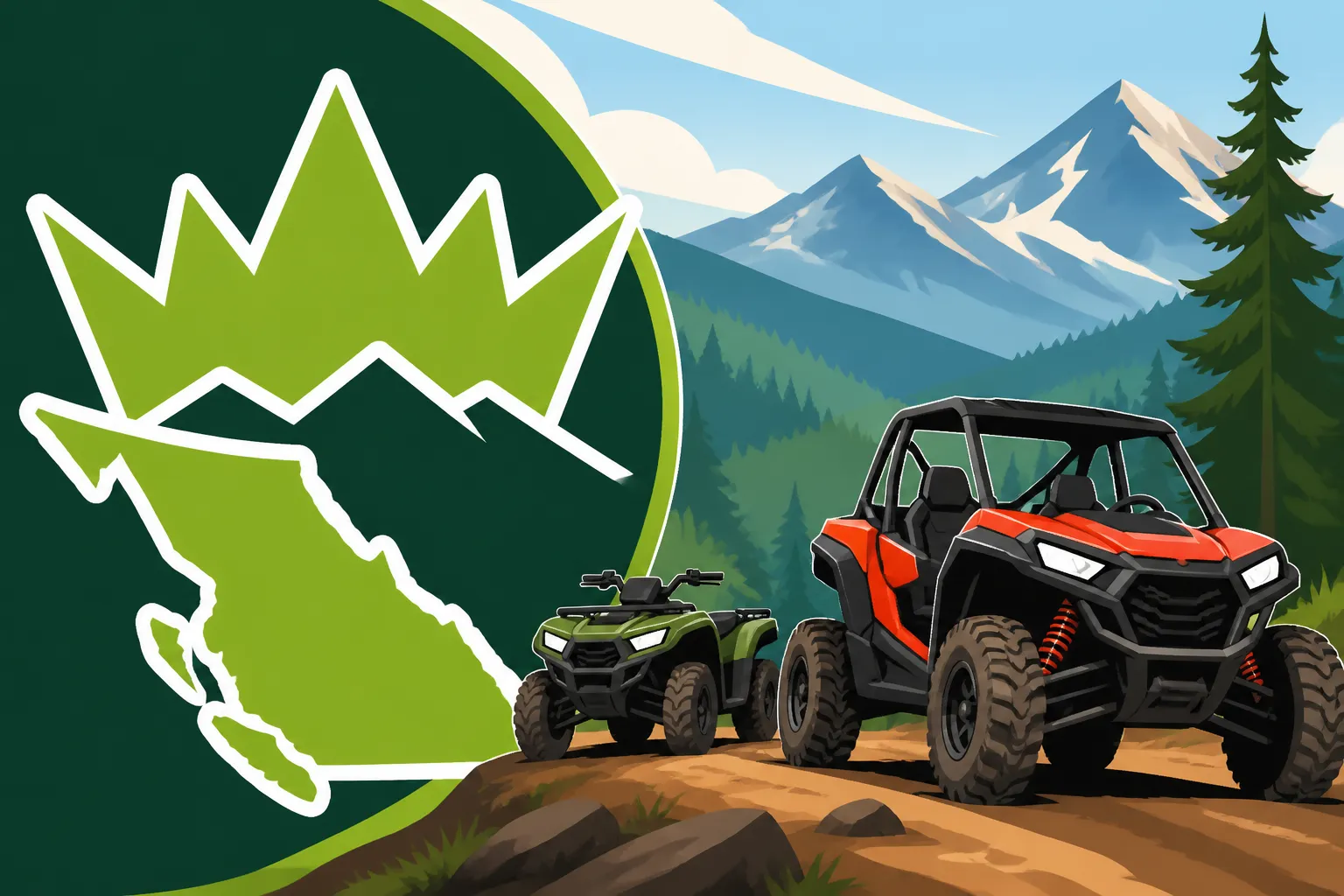
It's no secret that British Columbia is a rider's paradise, offering some of the most spectacular, untamed landscapes anywhere. But if you're an ATV or UTV enthusiast, you've probably wondered where exactly you're allowed to ride without getting into trouble. The sheer vastness can be intimidating, and the rules often feel murky. This guide is here to demystify one of the biggest factors in BC off-roading: Crown Land, which makes up a staggering 94 percent of our beautiful province. We'll explore what this means for you, how to legally access it, and the crucial steps you need to take to ensure your rides are both thrilling and compliant.
Understanding What "Crown Land" Means in British Columbia
When we talk about British Columbia, it's easy to picture endless forests, majestic mountains, and pristine lakes. What many don't realize is that an overwhelming majority of this land – approximately 94 percent – is actually Crown Land. This isn't just a geographical fact; it's a legal designation that profoundly impacts how and where you can enjoy your ATV or UTV. For many riders, the idea of "Crown Land" feels a bit abstract, like something managed by an distant bureaucracy. But really, it's the backdrop to most of our backcountry adventures, and understanding it is key to responsible riding.
Essentially, Crown Land is publicly owned land. In BC, it's managed by the provincial government on behalf of all residents. This includes vast tracts of forests, mountains, rivers, and lakes outside of private property, municipal boundaries, and federal lands like national parks. Think of it as the province's backyard, open for various uses, including recreation. However, "open" doesn't mean "anything goes." There are specific regulations in place to ensure these natural resources are managed sustainably, protecting wildlife, ecosystems, and the safety of everyone who uses them. It's a shared resource, and with that comes a shared responsibility.
The "94 percent" figure is truly staggering. It means that the vast majority of the places you'd ever want to take your off-road vehicle are likely Crown Land. From winding [BC Forest Service Road Rules for ORVs] that climb high into the alpine to remote trails snaking through dense woods, your riding opportunities are directly tied to these public lands. This abundance is a privilege, but it also means that nearly every time you leave pavement, you're stepping onto regulated territory. Knowing this percentage upfront helps frame why certain rules, particularly those concerning registration, are so important here in BC. It's not just about a few designated trails; it's about the entire riding landscape.
The Mandate to Register Your ATV or UTV for Crown Land Access
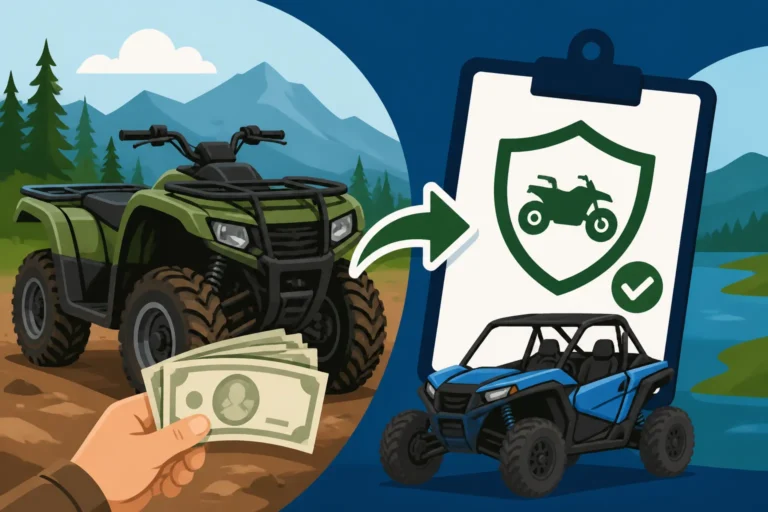
This is where the rubber meets the trail, quite literally. If you plan on riding your ATV or UTV anywhere on Crown Land in British Columbia – which, as we just discussed, is almost everywhere you'd want to ride – your machine must be registered with the province. This isn't a suggestion; it's a legal requirement. Many riders coming from other provinces, or those who bought their machines years ago and only ever rode on private property, are often surprised by this. The transition to mandatory registration was a significant shift, happening back in [BC Registration Became Mandatory in 2015]. Since then, the province has been steadily enforcing these regulations.
The biggest frustration for many is that they've owned their quad for years, maybe even decades, and suddenly there's a requirement to register it. Or perhaps they bought a machine second-hand with very little paperwork. This often leads to a scramble to get the necessary documentation together, which can feel like a bureaucratic hurdle when all you want to do is hit the trails. But the intention behind this rule is critical: it helps track ownership, ensures accountability, and provides a framework for managing off-road vehicle use across such a massive land base. Without registration, it's difficult for authorities to manage trail access, enforce environmental protections, or even return a stolen machine to its rightful owner.
So, what happens if you're caught riding an unregistered machine on Crown Land? It's not a slap on the wrist. You could face significant [BC Tickets for an Unregistered Machine]. Enforcement officers, including Conservation Officers, RCMP, and others, have the authority to check for registration. If your machine isn't properly registered, you could be looking at fines that can quickly take the fun out of your day, not to mention the potential for your machine to be impounded in serious or repeated cases. To avoid this headache, it's crucial to understand the [BC ATV Registration Requirements] and take the necessary steps. This typically involves a visit to an [BC Autoplan Brokers Handle ORV Registration] with your proof of ownership, a bill of sale, and identification. If you're missing a bill of sale, a statutory declaration, which can be drafted using resources like LawDepot, might be needed to confirm your ownership under oath.
Navigating the Rules: Beyond Just Registration on Crown Land
While registration is your golden ticket to riding on Crown Land, it's far from the only rule you need to know. Think of it as your entry pass; once inside, there are still rules for how you behave. The wild beauty of BC's backcountry comes with a responsibility to protect it and ensure everyone's safety, and that means adhering to a wider set of regulations concerning insurance, environmental impact, and respecting access. Nobody wants their adventure cut short by an unexpected fine or, worse, causing damage that harms our natural heritage.
First off, let's talk about insurance. Beyond registration, specific liability insurance is required if you're riding on a [BC Resource Roads Count as Crown Land] (which are also Crown Land). This usually means you need a minimum of $200,000 third-party liability coverage. This isn't just about protecting yourself; it's about protecting others and the environment in case of an accident. While some riders opt for the bare minimum, many choose to carry additional private insurance for broader protection. It's a small investment for peace of mind, knowing that if something goes wrong, you're covered. When you're dealing with vast, remote areas, an accident can quickly become complicated, and robust insurance helps manage that risk. You can inquire about these options at your Autoplan broker when you register your machine.
Then there's the broader issue of responsible riding. Crown Land is home to incredible wildlife, delicate ecosystems, and is used by countless others – hikers, hunters, loggers, and other recreationalists. This means staying on designated trails, avoiding sensitive areas like wetlands or newly revegetated sites, and being mindful of noise levels. You'll also encounter [BC Motor Vehicle Closed Areas] which are specific zones, often marked by signage, where motorized vehicles are strictly prohibited to protect vulnerable habitats or for public safety. Always check for these closures before you head out. A quick online search or a call to a local recreation office can save you a lot of grief. Another critical piece of the puzzle is always carrying your official [BC Riders Must Carry the Certificate] of registration and photo ID with you. An officer can ask to see these at any time, and not having them can lead to trouble. If you need to produce a bill of sale or similar document to prove prior ownership, especially for an older machine, remember that services like LawDepot offer templates that can help you create legally sound documents for your records.
Here's a quick look at essential documents to carry and what they prove:
| Document | Purpose | Where to Get It |
|---|---|---|
| Certificate of Registration | Proof your ORV is registered with BC. | Issued by ICBC/Autoplan broker |
| Photo Identification | Confirms you are the registered owner (or authorized operator). | Government-issued ID (e.g., Driver's License) |
| Proof of Insurance | Shows you have adequate liability coverage for resource roads. | Issued by ICBC or private insurer |
| Written Permission (if applicable) | For riders under 16, or if riding on leased Crown Land (rare for ORVs). | Parent/guardian signature, or Crown Land leaseholder |
| Bill of Sale (optional, but good to have) | Proof of purchase, especially for new transfers or if registration is recent. | Private seller, dealer, or generated via a service like LawDepot |
Practical Tips for Riding on BC's Vast Crown Land
Riding on BC's Crown Land offers unparalleled freedom and adventure, but it's important to approach each trip with preparation and respect. The vastness of the backcountry means that you're often far from help, and unforeseen circumstances can turn a great day into a difficult one very quickly. By planning ahead and understanding local conditions, you can ensure your rides are safe, enjoyable, and compliant with all regulations.
Before you even load your machine, the most crucial step is planning your route. Don't just point your machine in a direction and go. Utilize online maps, local riding club resources, and apps that show Crown Land boundaries, resource roads, and [BC ATV Trails: Where to Ride]. Always cross-reference with any active [BC Fire Centre Riding Bans] or [BC Motor Vehicle Closed Areas] which can change seasonally or due to environmental conditions. Getting local knowledge is invaluable; talk to people who have ridden in the area, check with local dealerships, or engage with clubs like the [Okanagan Trail Riders] or [What the Prince George ATV Club Offers Riders]. They often have up-to-date information on trail conditions, closures, and potential hazards.
When you're out on the trails, safety gear isn't just a recommendation; it's a necessity. This means a properly fitting [BC ATV Helmet Law Explained] (if riding a ride-astride machine), eye protection, gloves, sturdy boots, and appropriate clothing for the weather. Always carry a basic first-aid kit, a tool kit for minor repairs, extra fuel, and water. A reliable communication device, like a satellite messenger, is strongly advised, especially in areas with no cell service. Remember, you're responsible for your own safety and the safety of your passengers. Respecting other users means slowing down when passing hikers or equestrians, yielding to industrial traffic like logging trucks on [BC Forest Service Road Requirements], and staying on marked trails to avoid damaging sensitive ecosystems. If you encounter a locked gate on a resource road, it's usually there for a reason – respect it and turn back. Unauthorized access can lead to fines and negatively impact future access for all riders.
Finally, consider joining a local ATV or UTV club. These organizations are often at the forefront of advocating for rider access, maintaining trails, and promoting responsible off-roading. They can also be a fantastic source of camaraderie, group rides, and shared knowledge. Many clubs also offer safety training and insights into specific local regulations. By engaging with the riding community, you not only enhance your own experience but also contribute to the long-term sustainability of off-road vehicle recreation on BC's magnificent Crown Land.
Disclaimer
This article is for general informational purposes only and does not constitute professional advice. Laws, prices and regulations vary by location and change over time. Consult a qualified professional for guidance on your specific situation.