Nine Hundred Brokers Province-Wide
It's incredibly frustrating when you're trying to do the right thing and get your off-road vehicle registered in British Columbia, but you're not sure where to even start or if you're dealing with the right people. This guide is going to walk you through exactly why the widespread network of Autoplan brokers is your go-to resource for ATV and UTV registration, what they do, and how you can prepare for a smooth experience.
Why the Number of Autoplan Brokers Matters for Your ATV Registration
When you're looking to register your ATV, UTV, dirt bike, or snowmobile in British Columbia, the sheer number of Autoplan brokers across the province might seem like just a statistic. But trust me, as someone who's navigated this process, it's actually a huge advantage. Imagine if there were only a handful of places in a few major cities to get this done. The lineups would be endless, and accessing the service would be a nightmare for anyone living outside those hubs.
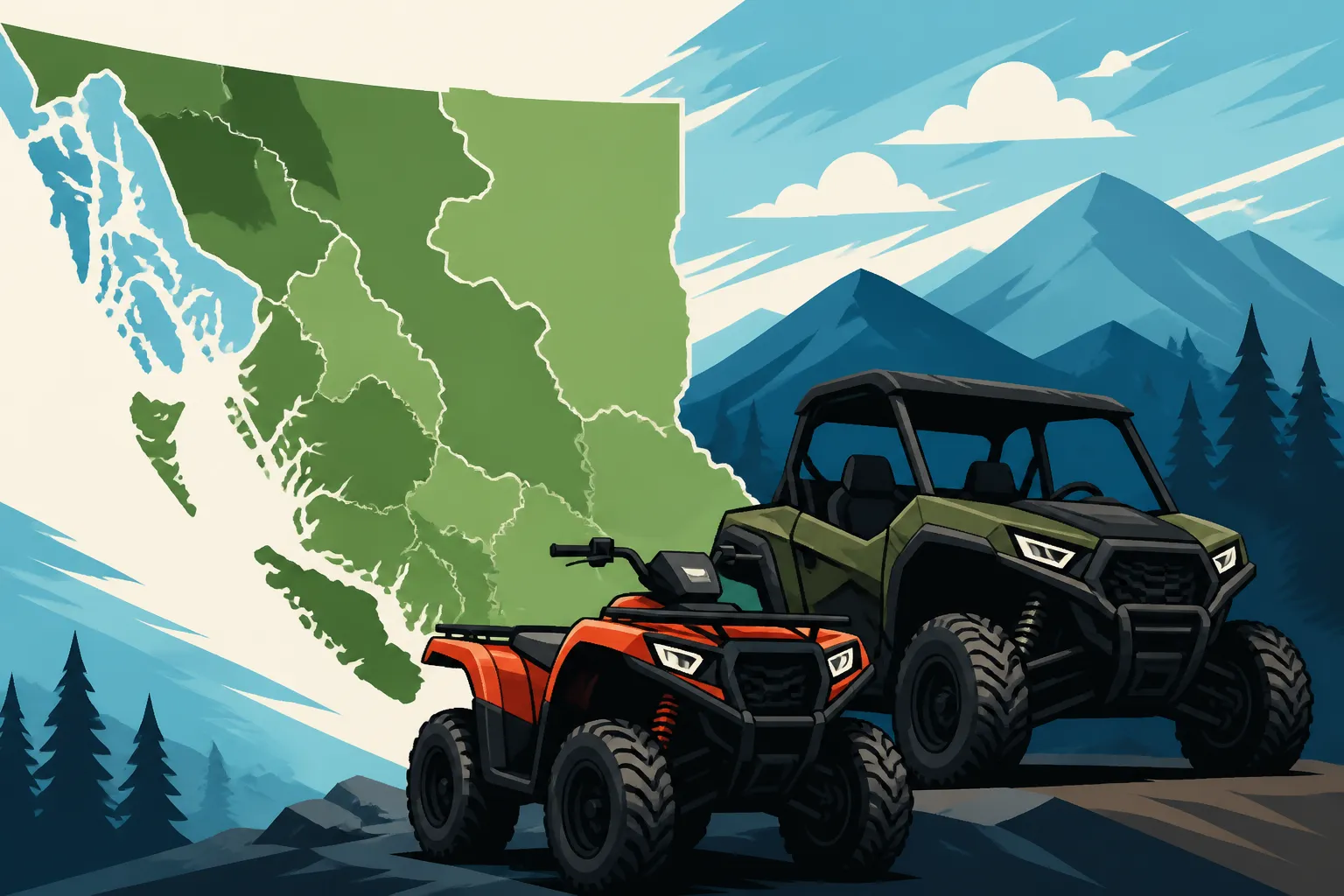
The fact that there are over nine hundred Autoplan brokers spread out from Fort St. John down to Victoria means accessibility. It means you're almost certainly going to find a broker in your community, or at least a relatively short drive away. This widespread network is designed to make it as convenient as possible for BC residents to comply with the Off-Road Vehicle Act, which made registration mandatory back in 2015. You don't have to take a whole day off work and drive hundreds of kilometers to a government office; chances are, there's a broker just around the corner from your regular errands. This convenience truly removes a significant barrier for many riders, especially those in more rural or remote areas where off-roading is a way of life.
What These 900+ Brokers Actually Do for ORV Owners
So, you know there are a lot of them, but what exactly do these Autoplan brokers do for you when it comes to your off-road vehicle? They're not just selling car insurance; they are the front-line service providers for all things ORV registration in BC. Think of them as your guide through the sometimes-confusing world of vehicle documentation. [BC Autoplan Brokers Handle ORV Registration] is a key point to understand – they are specifically authorized for this.
Processing Your Initial ORV Registration
When you buy a new machine, or if you've owned an older one for years and are finally getting around to registering it, the broker is where the magic happens. They'll help you fill out the necessary forms, verify your identification, and ensure all your documentation is in order. This includes confirming the machine's Vehicle Identification Number (VIN) and making sure you have a valid bill of sale or other proof of ownership. They're looking for a clear chain of ownership, which can sometimes be tricky with older machines. They’ll also collect the one-time registration fee, which, unlike your car insurance, is a single payment that lasts as long as you own the machine. [BC ORV Registration You Pay Once] and [BC Registration Lasts as Long as You Own It] are important concepts here.
Handling Transfers of Ownership
Bought a used quad from a private seller? The broker is crucial for transferring that registration into your name. This is where many people run into snags if they don't have the right paperwork. The broker will need the previous owner's Certificate of Registration and your bill of sale. If there's a gap in the ownership chain, or if the bill of sale is missing, they can guide you through the process of completing a statutory declaration to affirm your ownership. For this, you might even consider using an online template service like LawDepot to draft a comprehensive declaration before you go, ensuring all necessary details are covered and making the broker's job much easier. They are trained to scrutinize these documents to prevent fraud and ensure proper ownership, so don't be surprised by their thoroughness. [BC Transfer of Ownership Steps] and [BC Statutory Declaration for an ORV] go hand-in-hand here.
Issuing Plates and Decals
Once your registration is complete, the broker will issue you a distinctive ORV number plate and a decal. This plate needs to be affixed to your machine according to specific rules – either on the front, back, or left side, clearly visible. They’ll explain these requirements and answer any questions you have about placement. Losing your plate or decal is a hassle, but these same brokers can help you get replacements, ensuring you stay legal on the trails. [BC ORV Number Plates and Decals] covers this in more detail.
Answering Your Questions and Providing Guidance
Beyond the paperwork, brokers are a valuable source of information. They can answer common questions like [Do You Need to Register an ATV in BC?] (yes, if you ride on Crown land!), what documents you need to carry with you when riding, and even what types of insurance are available for your ORV. While their primary role is registration, they often have a good understanding of the broader ORV regulations because they deal with riders constantly. However, remember their expertise is registration and basic insurance, not all aspects of the ORV Act.
Finding the Right Autoplan Broker for Your Off-Road Vehicle
With so many brokers to choose from, how do you find the "right" one? Honestly, most Autoplan brokers are capable of handling ORV registration. The key is finding one that is convenient, efficient, and ideally, has staff who are particularly knowledgeable about off-road vehicles.
Locating a Broker Near You
The easiest way to find a broker is to use ICBC's online broker locator tool or simply search online for "Autoplan brokers near me." You'll likely see several options pop up, whether you're in a bustling city like Vancouver or a smaller community like Salmon Arm. Don't hesitate to call ahead. A quick phone call can save you a lot of time and potential frustration. Ask if they have staff familiar with ORV registration, especially if your situation is a bit complex, like registering an older machine with missing paperwork. Some brokers might handle ORVs more frequently than others and thus have a deeper understanding of common issues.
What to Look for in a Broker's Office
When you visit an office, look for clear signage indicating they handle Autoplan services. A good broker will have a dedicated counter or agent for vehicle registration. While all brokers should technically be able to do ORV registration, some might have more experience with the nuances of off-road vehicles specifically. If you have a particularly tricky situation, like trying to register a machine with a significant gap in its ownership history, or if you're dealing with an estate, you might benefit from a broker who has handled similar cases before. They can offer insights into the required [BC Bills of Sale for Every Prior Owner] or alternative proofs of ownership.
Preparing for Your Broker Visit: Documents and Expectations
Walking into a broker's office unprepared is a surefire way to prolong the process and potentially make multiple trips. Being prepared will make your experience much smoother and quicker.
Essential Documents to Bring
Regardless of whether you're registering a brand-new machine or transferring ownership of a used one, you'll need a few key documents. This includes:
- Proof of Ownership: This is usually a bill of sale. For new machines, it will be from the dealership. For used machines, you need a bill of sale from the previous owner. If you don't have one, a statutory declaration is often required. Services like
LawDepotcan provide templates for proper bills of sale or gift letters, which can be invaluable when buying privately or passing a machine between family members. Remember, for older machines, you might need a complete history of bills of sale going back to 2015 when registration became mandatory, or at least sufficient proof to satisfy the broker. [BC Registration Paperwork Checklist] is your best friend here. - Your Photo Identification: A valid BC driver's licence is usually sufficient.
- The Machine's VIN: Ensure you have the Vehicle Identification Number clearly written down or, even better, take a photo of it directly from the machine. The broker will need this to verify the machine's identity.
- Previous Certificate of Registration (for transfers): If you're buying a used, already registered machine, the seller should provide you with their Certificate of Registration.
What to Expect at the Broker's Office
When you arrive, you'll typically be directed to a registration agent. They will review your documents, enter the machine's details into the system, and process the transaction. They might ask a few questions to clarify your ownership or the machine's intended use. Be patient, as the process can take a little time, especially if they need to look up details or if your documentation isn't perfectly straightforward.
Once everything is verified and the payment processed, they will issue you a Certificate of Registration and your ORV plate and decal. [What the Broker Hands You After You Register] will usually include these items along with your receipt. Make sure to double-check all the information on your Certificate of Registration before you leave to ensure accuracy. This is the document you must carry with you whenever you're riding on Crown land, so it needs to be correct. [BC Riders Must Carry the Certificate].
By understanding the role of these numerous Autoplan brokers and preparing adequately, you can make your ORV registration process in BC a simple, straightforward task, getting you out on the trails faster.
Disclaimer
This article is for general informational purposes only and does not constitute professional advice. Laws, prices and regulations vary by location and change over time. Consult a qualified professional for guidance on your specific situation.