Why Your Quad Gets a Certificate and Not a Title
It's a common moment of head-scratching for off-road enthusiasts here in British Columbia: you buy an ATV or UTV, you go through the registration process, and you get this official-looking piece of paper. But it's not a "title" like you'd get for a car, and that can lead to a lot of confusion, especially if you're used to how things work elsewhere. This guide is going to clear up that mystery, explaining exactly why your quad receives a Certificate of Registration and what that means for you as an owner.
Understanding the Difference: Title vs. Certificate
Many people come to British Columbia from other provinces or even south of the border, where a vehicle "title" is the undisputed proof of ownership. They expect the same for their ATV or side-by-side, and when they receive a "Certificate of Registration" instead, it can feel like something's missing. Let's break down what these terms really mean and why BC chose a different path for its off-road vehicles.
What is a Vehicle Title?
In many jurisdictions, a vehicle title is a legal document issued by the government that establishes a person or entity as the legal owner of a vehicle. Think of it as the ultimate deed to your car or truck. It's often a single, unique document that tracks the vehicle's history, including its VIN, make, model, and the names of all previous owners. When you sell a vehicle that has a title, you sign it over to the new owner, and they then apply for a new title in their name. This system provides a very clear, unbroken chain of ownership, making it difficult for stolen vehicles to be resold or for ownership disputes to arise. It's usually a critical document for proving outright legal ownership.
The absence of a title means that BC's off-road vehicle system relies on a different mechanism for establishing and tracking ownership. This distinction is really important, especially when you're buying or selling a used machine, or if you ever need to prove you're the rightful owner of your quad. Understanding that fundamental difference is the first step in navigating BC's ORV landscape with confidence.
What is BC's Certificate of Registration?
In British Columbia, your ATV or UTV receives a Certificate of Registration, a document issued by ICBC (or an Autoplan broker on their behalf) once your machine has been registered under the Off-Road Vehicle Act. This certificate serves as proof that your off-road vehicle is officially registered to you with the province, allowing you to operate it legally on Crown land and designated trails. Unlike a title, this certificate is primarily focused on the registration status and the current registered owner, rather than the complete historical chain of legal ownership that a traditional title would provide. It's an operational document, not necessarily a deed of trust.
While it lists you as the current registered owner, it doesn't necessarily track every prior owner in the same way a title might. Instead, the BC system places a greater emphasis on the bill of sale or other transfer documents to establish the continuity of ownership when you register or transfer a machine. This means you'll typically need to present more than just the previous owner's Certificate of Registration when you're looking to acquire or sell an ORV; you'll also need the actual sales paperwork. [BC's Certificate of Registration Explained] goes into more detail about what this document covers.
The Historical Context of BC's ORV Registration System
To truly grasp why BC uses a Certificate of Registration instead of a title for off-road vehicles, it helps to look back at how things used to be and the changes that led to the current system. It wasn't always this way, and the shift was a significant one for riders across the province.
Before the Off-Road Vehicle Act
For a long, long time, off-road vehicles in British Columbia were largely unregulated when it came to registration. You could buy an ATV, dirt bike, or side-by-side, and as long as you weren't riding it on a public highway, there wasn't a provincial requirement to register it. This meant there was no centralized provincial database of ORV owners, no official record of who owned what machine, and certainly no "title" document issued by the government. Ownership was typically proven through a bill of sale, often a simple handwritten receipt, which could make tracking stolen vehicles or resolving ownership disputes incredibly challenging. [BC Registration Became Mandatory in 2015] marked a major turning point.
Imagine buying a used quad back then. You'd meet a seller, exchange cash for the machine, and maybe get a signed piece of paper. That was it. If you ever lost that paper, or if the person you bought it from didn't have their original bill of sale, proving your ownership could become a headache. This lack of a formal system led to a lot of ambiguity and made it difficult for authorities to manage ORV use, especially on the vast expanses of Crown land that define so much of BC's backcountry.
The Birth of Mandatory Registration in 2015
The landscape for off-road enthusiasts dramatically changed with the introduction of the Off-Road Vehicle Act, which came into effect in November 2015. This legislation was a game-changer, making it mandatory for nearly all ORVs operating on Crown land (which includes popular spots like forest service roads) to be registered with the province. The primary goal was to enhance safety, improve enforcement, and provide better accountability for riders. It was about managing the growing number of machines in our wilderness and ensuring responsible use.
When this act came into force, the province decided to integrate ORV registration into the existing ICBC system, which already handles motor vehicle registration for highway-legal vehicles. However, they didn't create a new "title" system. Instead, they opted for a Certificate of Registration, aligning with how other non-highway vehicles (like trailers) are often handled. This was a pragmatic choice, using an existing framework rather than building an entirely new one from scratch, but it did mean that the concept of a "title" was not introduced for ORVs. [What the Off-Road Vehicle Act Covers in BC] delves into the specifics of this pivotal legislation.
What Your BC Certificate of Registration Actually Contains
So, you've got this certificate. What exactly is on it? It's not just a random piece of paper; it's a formal document that holds crucial information about your off-road vehicle and its registered owner. Understanding its contents is key to ensuring you're compliant with provincial regulations and can prove your registration when needed.
Key Information on the Document
Your BC Certificate of Registration is essentially your ORV's identity card with the province. It will prominently display several pieces of vital information, including:
- Your Name and Address: As the registered owner, your full legal name and current mailing address will be listed. It's incredibly important to keep this up to date; if you move, you'll need to update your address with ICBC to ensure your records are accurate.
- Off-Road Vehicle Description: This section details the specifics of your machine, such as the Vehicle Identification Number (VIN), make, model, year, and colour. The VIN is particularly critical as it's the unique identifier for your specific quad or side-by-side, much like a serial number on other valuable goods.
- Plate Number and Decal Number: Your unique BC ORV license plate number will be printed on the certificate, along with the corresponding decal number. This links your physical plate and decal directly to your registered machine.
- Registration Date: This shows when your ORV was first registered under the Act, or when the ownership was transferred to you.
- Fee Information: It will reflect the fees paid for registration or transfer. You only pay for [BC ORV Registration You Pay Once] and then for transfers.
This document serves as your official proof of registration. When you're out riding on Crown land, you are legally required to carry this certificate (or a legible copy) with you, along with photo identification. Law enforcement or conservation officers may ask to see it, and having it readily available can save you from potential fines or headaches. [BC Riders Must Carry the Certificate] is a rule every rider should know.
Absence of Lien and Encumbrance Details
One significant difference between BC's Certificate of Registration and a traditional vehicle title is the absence of detailed lien or encumbrance information. A motor vehicle title often has a section dedicated to listing any outstanding loans or financial claims against the vehicle, essentially telling potential buyers if the vehicle is "free and clear." This is a critical piece of information in highway vehicle sales, as buying a car with a hidden lien can lead to significant financial problems.
However, the ORV Certificate of Registration in BC does not typically include this information. It's a registration document, not a financial one in that sense. This means that if you're buying a used ORV, you cannot rely solely on the Certificate of Registration to determine if there's a lien against the machine. You would need to conduct separate due diligence, perhaps by performing a lien search through the Personal Property Registry, especially for higher-value machines. This extra step is vital for protecting yourself as a buyer and is one of the reasons why the certificate differs so much from a title document in its scope. [BC Registration and Lien Records] is a topic worth exploring further for buyers.
Practical Implications for ORV Owners
Understanding the difference between a title and a certificate isn't just an academic exercise; it has real, practical implications for how you buy, sell, and prove ownership of your off-road vehicle here in BC. It shapes the paperwork you need and the process you'll follow.
Buying and Selling Without a Traditional Title
Since there's no "title" to sign over, the bill of sale becomes the most crucial document when you're buying or selling an ORV in British Columbia. This is where the continuous chain of ownership is established. When you register a newly purchased used machine, ICBC or your Autoplan broker will meticulously check the bills of sale to ensure a clear path from the original registered owner (or the last person to register it) to you. [BC Transfer of Ownership Explained] details this process.
If you're selling, you'll provide the buyer with your Certificate of Registration (or a copy) and, most importantly, a properly filled-out bill of sale. If you're buying, you need to demand a bill of sale from the seller, and ideally, a chain of bills of sale going back to the last registered owner. This can sometimes be a challenge, especially with older machines where previous owners might have lost their paperwork or are no longer traceable. Services like LawDepot can be invaluable here, offering templates for comprehensive bills of sale that ensure all necessary details are captured, making future transfers much smoother.
The Importance of a Clear Ownership Chain
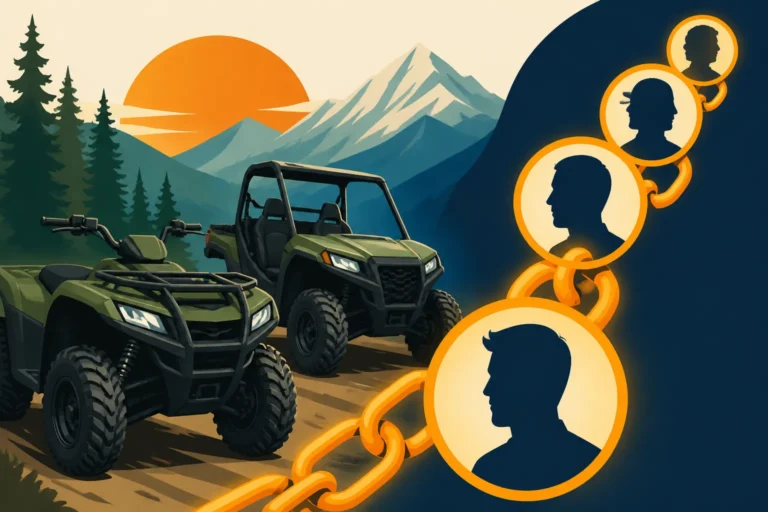
Because BC doesn't use a title system, the onus is heavily placed on the owner to maintain a clear and unbroken chain of ownership documentation. This means keeping every bill of sale from the moment a machine enters the system to when it transfers to you. If there's a gap in this chain – say, a previous owner lost their bill of sale, or you purchased it from someone who never officially registered it – you might face difficulties when trying to register the machine in your name. [BC Ownership Chains Going Back Decades] is a common issue for many long-term owners.
In cases where a bill of sale is missing, or the ownership history is murky, you might need to provide a statutory declaration. This is a formal, sworn statement made before a legal professional (like a notary public or commissioner for oaths) attesting to your ownership of the machine and explaining the missing documentation. It’s a way to legally bridge those gaps in the ownership chain, but it requires careful attention to detail and a clear explanation of how you came to possess the ORV. Again, resources like LawDepot can assist in generating the correct legal forms for such declarations, helping ensure they meet provincial requirements. [BC Statutory Declarations Cost $15] and are a critical tool when paperwork is missing.
Why BC Chose This Path for Off-Road Vehicles
The decision to use a Certificate of Registration instead of a title wasn't arbitrary. It stems from a combination of historical context, the nature of off-road vehicle use, and the legislative priorities of the province. There are logical reasons behind this system, even if it sometimes creates confusion for those used to a different model.
Leveraging Existing Infrastructure
When the Off-Road Vehicle Act mandated registration, British Columbia already had a robust system in place for registering highway vehicles through ICBC. This system was designed to handle a high volume of transactions and had established networks of Autoplan brokers across the province. Rather than creating an entirely new, parallel system solely for ORVs – which would have been a massive undertaking – the province opted to integrate ORV registration into the existing ICBC framework. [BC Autoplan Brokers Handle ORV Registration] explains this integration.
This approach was efficient and cost-effective. It meant that riders could register their quads at the same places they registered their cars, leveraging existing staff expertise and IT systems. However, because the ICBC system wasn't initially built around a "title" concept for all vehicles (for instance, trailers also get a registration document, not a title), adapting it for ORVs naturally led to a similar "Certificate of Registration" model. It was a practical solution that allowed for rapid implementation of mandatory registration without reinventing the wheel.
Focus on Operation and Accountability, Not Just Ownership
The primary drivers behind the Off-Road Vehicle Act were safety, environmental protection, and public land management. The goal was to ensure that people operating ORVs on Crown land were identifiable and accountable for their actions. This included ensuring machines met basic equipment standards, facilitating enforcement against unsafe or irresponsible riding, and enabling authorities to track vehicles in cases of environmental damage or accidents.
The Certificate of Registration effectively serves these purposes. It links a specific machine to a responsible individual and allows enforcement officers to verify registration status on the spot. While it indirectly establishes ownership, its core function is to facilitate legal operation. A "title" system, with its emphasis on unbroken ownership history and lien tracking, would have added layers of complexity that were perhaps deemed unnecessary for the initial goals of the ORV Act, given that ORVs typically operate in different environments than highway vehicles. [BC Registration Covers Work and Recreation] because the goal is broad accountability.
What to Do If You're Missing Paperwork
Given the BC system's reliance on a clear chain of documentation, what happens if you've got an older machine, or you've lost your original bill of sale? It's a surprisingly common predicament, and thankfully, there are pathways to get your ORV properly registered, even without a perfect paper trail.
The Role of a Statutory Declaration
If you're missing a bill of sale, or if there's a gap in the ownership history, a statutory declaration can be your best friend. This is a formal legal document where you swear under oath (or solemnly affirm) that you are the rightful owner of the off-road vehicle and explain how you acquired it. You'll need to provide as much detail as possible, including the circumstances of the purchase, who you bought it from (if known), and why you don't have the standard documentation. This declaration must be signed in front of a Commissioner for Oaths or a Notary Public.
ICBC and Autoplan brokers are familiar with these declarations, and they serve as a legal substitute for a missing bill of sale. However, the declaration needs to be thorough and believable. You can't just declare ownership of any machine; you typically need to include information like the VIN, make, model, and year, and explain the legitimate circumstances of its acquisition. Tools like LawDepot can provide templates for statutory declarations, guiding you through the necessary information to include to make it legally sound and acceptable for registration purposes. [BC Statutory Declaration for an ORV] is a key document in these situations.
Proving Continuous Possession and Intent
When you present a statutory declaration due to missing paperwork, the Autoplan broker and ICBC will be looking for evidence of "continuous possession" and a clear intent of ownership. This means demonstrating that you have had the machine in your care and control for a period of time, and that you genuinely believe it's yours. This might involve:
- Photos of the machine: Especially if you have older photos showing it in your possession.
- Maintenance records: Receipts for parts or repairs under your name.
- Witness statements: Though less common for ORV registration, occasionally a witness who can attest to your ownership might be helpful.
- Serial number verification: The broker will always verify the VIN and other identifying numbers on the machine itself against any documentation or declarations you provide. They might even ask you to photograph the VIN on your machine to confirm it matches your declaration.
The goal is to provide a comprehensive picture to the authorities that, despite the missing bill of sale, you are indeed the rightful owner and have been operating the machine in good faith. It's about building trust in your claim, especially since there isn't a central "title" database to fall back on. This careful process helps prevent fraudulent registrations and ensures that only legitimate owners get their machines on the road (or, rather, off the road!). [BC Registration for an Older Machine] often requires these extra steps.
Conclusion: Adapting to BC's ORV System
While the absence of a traditional vehicle title for ATVs and UTVs in British Columbia might seem a bit unusual at first, it's a system designed to effectively manage off-road vehicle registration and accountability within the province's existing infrastructure. Your Certificate of Registration is your proof of compliance, allowing you to enjoy BC's incredible backcountry legally and responsibly.
The key takeaway is this: always keep your registration certificate safe, and understand the critical importance of a clear, unbroken chain of bills of sale when buying or selling. If you find yourself in a situation with missing paperwork, don't despair – the statutory declaration process is there to help you bridge those gaps. By understanding these nuances, you'll be well-equipped to navigate the world of BC off-roading with confidence, knowing exactly what's required to keep your machine legal and your adventures hassle-free.
Disclaimer
This article is for general informational purposes only and does not constitute professional advice. Laws, prices and regulations vary by location and change over time. Consult a qualified professional for guidance on your specific situation.