BC ORV Number Plates and Decals
So, you've just picked up your new-to-you quad, or maybe you're finally getting around to registering that trusty side-by-side that's been in the family for years. You've heard whispers about number plates and decals for BC off-road vehicles (ORVs), and you're probably wondering what all the fuss is about. It can feel like a maze of rules and regulations, especially if you're new to the province or haven't dealt with ORV registration before. But don't worry, we're going to break down everything you need to know about BC ORV number plates and decals, explaining why they matter and how to keep yourself legal on the trails.
The Purpose of Your BC ORV Plate and Decal
It's easy to look at a number plate and a small sticker and think it's just another bureaucratic hoop to jump through. But in British Columbia, your ORV number plate and the accompanying decal are far more than mere decorations; they're your machine's official identity markers, directly linking it to you, the registered owner. These visual cues are essential for law enforcement, conservation officers, and even fellow riders to identify your machine, especially when you’re out on the vast network of [BC Forest Service Road Requirements] or other Crown land.
Before 2015, the rules around off-road vehicles in BC were a bit… fuzzy. Many machines went unregistered, leading to challenges with theft, accidents, and enforcement. The introduction of mandatory registration for ORVs in BC, formalized by the Off-Road Vehicle Act, brought with it the requirement for these plates and decals. They are a cornerstone of traceability and accountability, ensuring that when an ORV is involved in an incident or simply needs to be identified, there’s a clear record. Without these, it would be incredibly difficult for authorities to manage recreational access, investigate incidents, or even return a lost or stolen machine to its rightful owner. Think of it as your ORV's license plate for the backcountry.
What Happens When You Register Your ORV
The moment your ORV registration is complete at an Autoplan broker, a few important things happen. It’s not just about ticking a box; it's about officially bringing your machine into compliance with provincial regulations. This process can feel a little daunting, especially if you’re trying to gather all the [BC Registration Paperwork Checklist] items, but it’s a crucial step that unlocks legal access to most of BC’s incredible riding areas.
Receiving Your Plate and Decal
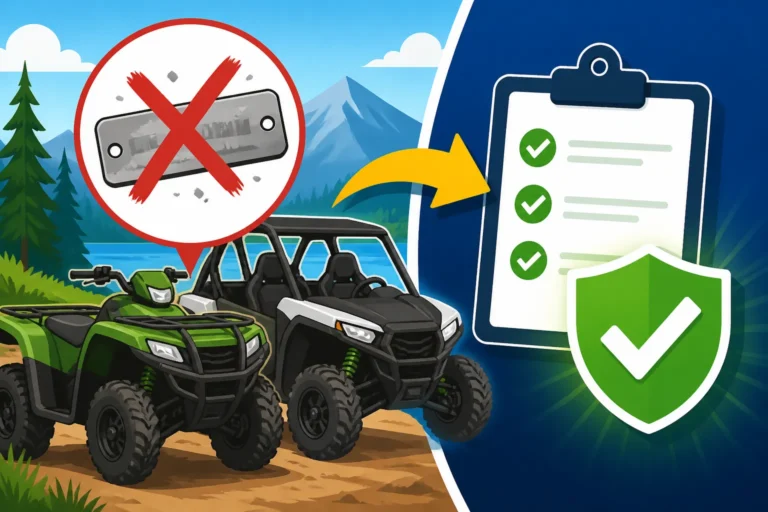
Once all your paperwork is in order – we're talking bills of sale, statutory declarations if needed (services like LawDepot can be helpful for drafting these kinds of documents), and proof of identity – and you've paid the registration fee, the Autoplan broker will hand you two key items. First, you'll receive your ORV number plate. This isn't like a standard vehicle plate with a yearly renewal sticker; it's a unique plate specifically for your off-road machine. Along with the plate, you'll get a small, durable decal. This decal typically specifies the year the registration became mandatory (2015) and serves as an additional visual identifier. This package of plate and decal is physical proof that your machine has been officially documented and is ready for the trails. [BC Registration Became Mandatory in 2015] so any machine used on Crown land after that date needs this.
The Certificate of Registration
Beyond the physical plate and decal, the broker will also issue you a Certificate of Registration. This document is essentially your ORV's official birth certificate or ownership record in British Columbia. Unlike a "title" that some other jurisdictions might use, BC issues a certificate. [BC's Certificate of Registration Explained] details why this is the case. It contains vital information about your ORV, including its Vehicle Identification Number (VIN), make, model, and your details as the registered owner. This certificate is arguably more important than the plate itself, as it's the legal document you absolutely must carry with you whenever you're operating your ORV off-highway. It’s your proof of legal ownership and registration, and officials will ask to see it. Think of it as your machine's passport – you wouldn't travel without your own, so don't ride without your ORV's. [BC Riders Must Carry the Certificate] on every single ride.
Mounting Your ORV Plate: Rules and Best Practices
So, you've got your shiny new ORV plate and decal in hand. Now what? Simply tossing it in your gear bag won't cut it. There are specific rules about how and where to display your plate, and following them isn't just about avoiding a ticket; it's about ensuring your machine can be easily identified for safety and legal reasons. The vast majority of ORV riders are respectful and adhere to the rules, but a visible plate ensures everyone can be identified, fostering a safer and more accountable riding community.
Plate Placement on Your Machine
British Columbia’s Off-Road Vehicle Act and its associated regulations are quite clear about plate placement. You have a few options, which is a nice bit of flexibility given the diversity of ORV types. Specifically, your ORV number plate must be affixed to the front, back, or left side of the machine. For a quad or a side-by-side, the back is often the most common and easiest spot, sometimes the front. For dirt bikes, the left side, usually on the rear fender or a dedicated plate mount, is often preferred to keep it clear of the rider and potential obstacles. The key here is consistency and visibility, no matter which location you choose. [BC Plate Placement on Front, Back or Left] allows for different machines to comply effectively.
Ensuring Visibility and Legibility
Regardless of where you mount it, the plate must be clearly visible and legible at all times. This means it needs to be mounted horizontally, not at an angle that makes it difficult to read. It also needs to be kept clean, free from mud, snow, or any other debris that might obscure the numbers and letters. Imagine a conservation officer needing to identify your machine from a distance, or in less-than-ideal lighting conditions. If your plate is caked in mud or hidden by a poorly placed cargo bag, you could run into trouble. [Keeping Your ORV Plate Clean Enough to Read] isn't just good manners, it's a legal requirement. Riders who frequently venture into muddy terrain often devise quick-release methods or strategically placed mud flaps to help keep their plates visible.
Secure Attachment and Durability
ORVs are not known for smooth, gentle rides. They tackle rugged terrain, endure vibrations, and sometimes take a tumble. Because of this, how you attach your plate is just as important as where you attach it. Using flimsy zip ties might seem like a quick fix, but they can easily break, especially when subjected to the jostling and bumps of off-road riding. Opt for sturdy bolts, washers, and lock nuts to ensure your plate stays securely fastened. Many aftermarket plate mounts are available that are designed to withstand the rigours of off-road use, often made from durable aluminum or steel. Investing in a good mount now can save you the headache of replacing a lost plate or facing a fine later. Always do a quick check of your plate's security before heading out on a ride, especially if you've recently been through some particularly rough trails.
The Decal: What It Is and Where It Goes
Beyond the larger number plate, you also receive a small, often overlooked, decal. This little sticker might seem insignificant, but it carries its own weight in the world of BC ORV regulations. Understanding its purpose and proper placement is part of being a fully compliant and responsible rider. It’s another layer of verification, offering quick visual confirmation of your machine's registered status.
Understanding the Decal's Significance
The decal you receive from the Autoplan broker is a visual indicator that your ORV registration has been processed and is current. While the number plate is the primary identifier, the decal provides supplementary proof. It usually has the year "2015" prominently displayed, signifying the year mandatory registration began in BC under the Off-Road Vehicle Act. This isn't a yearly renewal sticker like you might see on a highway vehicle; in BC, [BC ORV Registration You Pay Once] and it lasts as long as you own the machine. The decal simply marks that the machine has been registered in accordance with the 2015 mandate. Think of it as a small badge of compliance, signaling at a glance that your ORV is part of the legitimate riding community and not flying under the radar.
Proper Decal Placement
The regulations specify that the decal must be affixed to the ORV, usually near the number plate, but it can often be on a flat, visible surface on the frame, fender, or a body panel. The key is visibility and security. Choose a spot that won't be easily obscured by mud, dirt, or rider gear, and one where it's unlikely to be peeled off or damaged during normal operation. For many quads and side-by-sides, a clean, flat spot on the rear fender or near the tail light assembly works well. Dirt bike riders often place it on the front fender or a side panel. Ensure the surface is clean and dry before applying the decal to maximize its adhesion and longevity. While it’s small, its presence reinforces the machine’s registered status to anyone observing it, including enforcement officers. [BC Decal Placement on a Quad] should be considered for optimal visibility and adherence.
Maintaining Your Plate and Decal: Staying Legal on the Trail
Getting your plate and decal is only the first step. To remain compliant and avoid unnecessary hassles, you need to actively maintain their condition and ensure they're always displayed correctly. This is where responsible riding practices really come into play. It's not just about a one-time setup; it's about ongoing diligence every time you head out.
The Importance of Cleanliness
As mentioned before, a dirty plate is a problem. Whether you're splashing through mud bogs or kicking up dust on a dry trail, your ORV plate and decal can quickly become obscured. It's your responsibility to keep them clean enough to be read. This doesn't mean you need to pull out a scrub brush every five minutes, but if you encounter an officer and your plate is unreadable, you could face consequences. Many seasoned riders carry a small rag or a bottle of water on their machine specifically for quickly wiping down their plate. Before you head out, and certainly if you're taking a break on a particularly mucky day, give your plate a quick check and clean. This simple act not only keeps you legal but also shows respect for the regulations and the community.
Checking for Damage and Loss
Because ORVs operate in demanding environments, plates and decals can get damaged or even fall off. Vibrations, impacts from branches, or even high-pressure washes can take their toll. Make it a routine to inspect your plate and decal before each ride. Look for cracks, bent corners, or signs of the decal peeling. If your plate is severely bent or illegible due to damage, or if the decal is missing or unreadable, you'll need to address it. A damaged or missing plate is the same as having no plate at all in the eyes of the law. If you discover your plate or decal has gone missing mid-ride, or if it's been damaged to the point of illegibility, it's wise to consider it a priority to replace it as soon as possible. Continuing to ride with a compromised identification could lead to a fine, and nobody wants that.
What Happens if Your Plate or Decal Goes Missing
If you find yourself in the unfortunate situation of a lost, stolen, or severely damaged plate or decal, you need to take action. This isn't something to put off. You'll need to contact your Autoplan broker to report the issue and arrange for a replacement. There will likely be a fee for replacement plates and decals, but it's a small price to pay compared to the potential fines for operating an unregistered or improperly plated machine. It's a bit of a hassle, but it's part of being a responsible ORV owner in BC. Make sure you bring any remaining documentation, like your Certificate of Registration, to the broker to expedite the replacement process. Just as you'd report a lost vehicle licence plate, the same principle applies here to your ORV.
Common Pitfalls and How to Avoid Them
Even with the best intentions, riders can sometimes stumble into common issues related to their ORV plates and decals. These pitfalls often stem from a misunderstanding of the rules or simply forgetting the details in the excitement of heading out for a ride. Being aware of these common mistakes can save you a lot of grief.
Obscured by Cargo or Gear
One of the most frequent issues we see on the trails is a plate that's perfectly mounted, but then completely covered by a cargo box, a spare tire, or a backpack strapped to a rack. While you might be legally carrying your gear, if that gear blocks the clear view of your ORV plate, you're technically in violation. Before you head out, especially after loading up for a longer trip, take a moment to walk around your machine and ensure your plate is fully visible from multiple angles. Adjust your cargo or consider alternative ways to secure your gear so that your plate remains unobstructed. It's a simple check that can prevent an officer from having to stop you and issue a warning or a ticket.
Faded or Damaged Decals
While the decal doesn't signify an annual renewal, it's still an important part of your machine's identification. Over time, exposure to sun, rain, and abrasive cleaning can cause decals to fade, crack, or peel. A faded decal might be overlooked by some, but if it becomes completely unreadable, it could raise questions about the machine's registration status. If you notice your decal showing significant wear and tear, it's a good idea to get a replacement from your Autoplan broker. Keeping your machine looking sharp also helps maintain the integrity of its legal identification elements.
Riding an Unregistered Machine
Perhaps the biggest pitfall of all is simply riding an ORV that hasn't been registered. This might sound obvious, but some people genuinely don't realize that registration became mandatory for ORVs operating on Crown land in 2015. If you've just bought a machine, even privately, it's your responsibility to ensure it's registered in your name before you take it off your private property onto public land or resource roads. Without registration, you won't have a plate or decal, and you'll be risking significant [BC Penalties for Riding Unregistered] – not to mention the lack of official identification in case of theft or an accident. Always make sure you're getting all the necessary paperwork, like a bill of sale, when you buy a machine. Services like LawDepot can assist with creating clear, legally sound bills of sale, which are crucial for proving ownership during registration. [How to Register an ATV in BC] clearly outlines the necessary steps.
When an Officer Checks Your ORV Plate and Decal
It's a moment no rider relishes, but it's a reality: eventually, you might be approached by a conservation officer, RCMP, or other authorized personnel while out on the trails. When this happens, they'll be looking for specific things to ensure you're compliant with the Off-Road Vehicle Act. Knowing what to expect can help you remain calm and ensure a smooth interaction.
What Officers Look For
When an officer stops you, one of the first things they'll likely do is check your ORV's number plate and decal. They'll quickly confirm that the plate is present, securely affixed, and clearly legible. They'll also check for the decal to ensure it's there and appears valid. This initial visual inspection allows them to quickly verify that your machine is properly identified according to BC law. They're looking for signs of tampering, obstruction, or obvious non-compliance. A clean, visible plate and decal instantly convey that you're a responsible rider who understands and adheres to the regulations.
Beyond the Plate: Proof of Registration
The visual check of the plate and decal is often just the beginning. The next crucial step is for the officer to request your Certificate of Registration and your photo identification. Remember, the plate and decal prove the machine is registered, but the certificate proves it's registered to you. This is why [BC Riders Must Carry Photo ID] along with their Certificate of Registration. The officer will cross-reference the information on the certificate (VIN, owner name) with the machine and your ID. This process ensures that the person operating the ORV is the legitimate owner or has proper permission. If you don't have your Certificate of Registration with you, even if your machine is plated and registered, you could still face issues, as you can't prove legitimate operation on the spot.
Dealing with Issues on the Spot
If an officer finds an issue – perhaps your plate is obscured, or you don't have your certificate – it's important to remain polite and cooperative. Explaining that you forgot your certificate at home, or that you didn't realize your cargo was covering the plate, might lead to a warning, but it could also result in a ticket. Enforcement can vary, but the law is the law. If your machine is completely unregistered and you're caught on Crown land, the consequences will be more severe. This is why understanding [BC Tickets for an Unregistered Machine] is vital. Always strive for full compliance to avoid these stressful situations. Having all your documents in order, including using professional templates from resources like LawDepot for any ownership declarations or bills of sale that supported your registration, demonstrates a commitment to being a lawful rider.
Special Considerations for Different ORV Types
While the core rules for plates and decals apply across all ORV types, there are often practical differences in how riders affix and manage these identifiers based on the specific machine they operate. Whether you ride a nimble dirt bike, a sturdy ATV, or a multi-passenger side-by-side, thinking about these nuances can make compliance easier.
Dirt Bikes and Enduro Machines
Dirt bikes, by their very nature, are designed for agility and often encounter more aggressive terrain, including tight trails and deep ruts. Finding a secure, visible spot for the plate can sometimes be a challenge. As per regulations, the left side is a common and legal option for dirt bikes, typically on the rear fender or a specially designed side plate. Riders often use robust aftermarket mounts that are flexible to prevent breakage during falls or impacts. Since dirt bikes rarely carry extensive cargo, plate obstruction is less common, but mud and dirt spray can be a constant battle. Regularly cleaning the plate is especially important for these machines. [BC Registration for a Dirt Bike] follows the same general rules, but practical mounting differs.
All-Terrain Vehicles (ATVs)
ATVs often have more flat surfaces than dirt bikes, making plate placement somewhat easier. The rear of the ATV, usually below the seat or on the grab bar, is a popular spot. Some riders also choose to mount the plate on the front rack or bumper. The key, again, is ensuring it's horizontal and completely visible, especially if you plan on strapping down a cooler or a hunting bag. ATVs are also prone to mud and dust, so regular cleaning of the plate is a must. If your ATV has a winch or other accessories on the front, make sure they don't block the plate if you choose to mount it there. [Registering a Quad Bought for Cash Decades Ago] will involve getting it a plate.
Side-by-Sides (SxS or UTVs)
Side-by-sides typically offer the most options for plate placement due to their larger frames and integrated cargo areas. The rear of the machine, often on the tailgate or an accessory bumper, is the most common location. Given that side-by-sides often carry more gear and passengers, paying extra attention to ensuring the plate isn't obscured by cargo nets, spare tires, or bed contents is paramount. Some side-by-sides even have dedicated plate mounting points from the factory. Just like ATVs, cleanliness is key, especially if you’re navigating dusty resource roads or muddy trails. [Registering a Side-by-Side in BC] means getting a plate and decal for it too.
Table: ORV Plate and Decal Quick Reference
| Feature | Description | Best Practices |
|---|---|---|
| Number Plate | Unique identifier issued upon registration. | Securely fasten with bolts. Mount horizontally. |
| Decal | Small sticker indicating registration in 2015. | Affix to a clean, flat, visible surface near the plate or on a body panel. |
| Placement Options | Front, back, or left side of the ORV. | Choose location for maximum visibility. Avoid angles. |
| Visibility | Must be clearly visible and legible at all times. | Keep free from mud, snow, and cargo. Carry a rag for quick cleaning. |
| Security | Plate must be firmly attached to withstand off-road use. | Use sturdy bolts, washers, and lock nuts. Regularly check for looseness or damage. |
| Replacement | Contact Autoplan broker if lost, stolen, or severely damaged. | Act promptly to avoid fines. Bring your Certificate of Registration. |
| Associated Document | Certificate of Registration: Proof of ownership and registration. | Must be carried by the operator along with photo ID. Do not store on the machine if it's left unattended. |
Final Thoughts on BC ORV Plates and Decals
Navigating the world of ORV regulations in British Columbia can sometimes feel like a lot to take in, especially with details like number plates and decals. However, these small but mighty identifiers are a crucial part of responsible ORV ownership and operation in our beautiful province. They're more than just pieces of plastic or stickers; they represent your commitment to legal and safe riding, ensuring accountability and traceability on our shared trails and Crown lands.
By understanding why these plates and decals are required, how to obtain them, where to properly display them, and how to keep them in good condition, you're setting yourself up for worry-free adventures. Always remember to carry your [BC Riders Must Carry the Certificate] and your photo ID, keep your plate clean and visible, and maintain its secure attachment. Doing so not only keeps you compliant with the Off-Road Vehicle Act but also contributes to a more organized and enjoyable experience for everyone who loves to explore BC’s backcountry on their ATV or side-by-side. So, get that plate secured, keep it clean, and hit the trails with confidence!
Disclaimer
This article is for general informational purposes only and does not constitute professional advice. Laws, prices and regulations vary by location and change over time. Consult a qualified professional for guidance on your specific situation.